
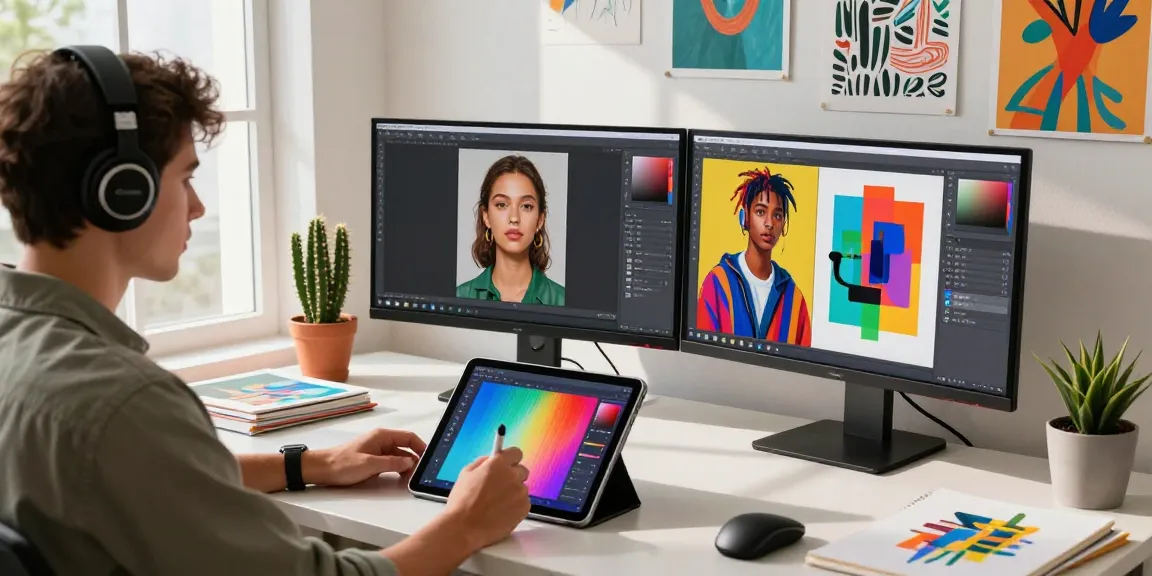
Understanding Free AI Image Editors
In the rapidly evolving landscape of digital creation, free AI image editors have emerged as powerful tools that democratize artistic expression. These innovative platforms enable artists, designers, and hobbyists alike to enhance their images, create stunning designs, and experiment with new styles without the constraints of traditional software costs. As we navigate through 2026, the importance of understanding these tools not only lies in their technical capabilities but also in how they reshape the artistic process itself. When exploring options, a free ai image editor provides comprehensive insights into various functionalities that can elevate your creative work.
What are Free AI Image Editors?
Free AI image editors are web-based or downloadable applications that harness artificial intelligence to assist users in image editing. Unlike traditional software that may require extensive training and financial investment, these tools often feature user-friendly interfaces and employ machine learning algorithms to automate complex tasks. Features can range from basic adjustments like cropping and resizing to advanced capabilities, such as style transfer, background removal, and automatic enhancements. The primary goal is to make image editing accessible to everyone, regardless of their technical skill level.
How They Revolutionize Digital Art
The advent of AI image editors represents a significant shift in the digital art landscape. Artists are no longer confined to traditional methods; instead, they can experiment with a plethora of styles and techniques with minimal effort. For instance, AI can analyze an artist's previous works and suggest color palettes or composition adjustments, effectively acting as a collaborative partner in the creative process. Moreover, these tools can save substantial time, allowing creatives to focus more on ideation and concept development rather than tedious technical execution.
Key Features of Popular Free AI Image Editors
- Automated Enhancements: AI-powered tools can automatically adjust brightness, contrast, and saturation based on image analysis, saving time during the editing process.
- Smart Filters: Users can apply filters that mimic famous art styles or generate unique looks by leveraging neural networks.
- Background Removal: This feature allows users to easily cut out subjects from backgrounds, making it simpler to create composite images.
- Image Restoration: Advanced algorithms can restore old or damaged photos, breathing new life into cherished memories.
- Customization Options: Many editors provide a range of customizable settings, enabling users to tweak AI suggestions and tailor outcomes to their liking.
User Experience in 2026
The user experience in 2026 for AI image editing tools has evolved significantly as both software developers and users have adapted to this new era of creativity. Modern tools prioritize intuitive design and seamless functionality to cater to diverse user profiles.
Design and Usability Trends
Today's AI image editors boast minimalist interfaces that reduce visual clutter and enhance usability. The focus is on making features accessible through simple navigation and learning pathways. Tooltips, tutorials, and guided processes are integral to onboarding new users, ensuring they can quickly harness the editor's full potential. Furthermore, the integration of voice commands and gesture controls in some applications exemplifies the trend toward more natural user interactions.
Accessibility Options for All Creators
Accessibility remains a crucial aspect of software design. In 2026, leading AI image editors include features that cater to users with disabilities, such as screen reader compatibility, color contrast adjustments, and alternative text for images. These inclusivity measures empower all creators to engage with digital art, regardless of their abilities or circumstances.
Community and Support Resources
To foster a sense of belonging and collaboration among users, many free AI image editing platforms are creating community spaces. These platforms often include forums, tutorials, and support groups where users can share tips, seek guidance, and showcase their projects. Such resources enhance learning outcomes and inspire creativity through shared experiences.
Maximizing Artistic Potential
As digital art continues to evolve, understanding how to integrate free AI tools into workflows is crucial for maximizing artistic potential. With the right strategies, artists can leverage these technologies to enhance their creative processes significantly.
Integrating Free AI Tools into Your Workflow
Integrating AI tools into an artistic workflow involves careful planning and flexibility. Artists should begin by identifying specific tasks that can be automated or enhanced, such as generating design variations or preparing images for social media. By gradually incorporating AI tools, creators can assess their effectiveness and adapt their working methods accordingly. Moreover, maintaining a balance between AI-assisted editing and traditional techniques ensures that the personal touch in art remains intact.
Collaborative Projects and Sharing Platforms
Many artists have embraced AI image editors as a means to collaborate on projects. Platforms that allow for real-time collaboration enable multiple users to contribute and build upon each other's ideas. Moreover, sharing platforms designed specifically for AI-generated art facilitate exhibition and feedback opportunities, creating dynamic ecosystems where creativity thrives.
Case Studies of Successful Artists Using AI
Numerous artists have successfully integrated AI image editors into their practice, breaking new ground in digital art. For instance, a contemporary artist may use AI to create unique textures and background patterns that would be time-consuming to develop manually. Through exhibitions and online showcases, these artists often highlight the fusion of traditional techniques and AI capabilities, demonstrating the potential for innovation in the field.
Challenges and Misconceptions
Despite the myriad advantages of free AI image editors, several challenges and misconceptions persist. Addressing these concerns is crucial for fostering a well-rounded understanding of AI in art.
Common Misunderstandings About AI in Art
One prevalent misconception is that AI-generated art lacks authenticity and creativity. Critics argue that such works are merely imitations of existing styles or concepts. However, the reality is that AI serves as a tool that amplifies human creativity rather than replacing it. Many artists employ AI to explore new directions, leading to unique outcomes that would not have emerged through traditional practices alone.
Overcoming Technical Barriers
Technical barriers can deter some users from exploring AI image editors fully. Many fear the complexity of integrating new technology into their existing processes. However, most free AI tools are designed with user experience in mind, offering straightforward onboarding and support. Taking advantage of available community resources and tutorials can help users overcome these initial hurdles and confidently embrace new possibilities.
Addressing Ethical Concerns in AI Art
Ethical concerns surrounding AI in art include questions about copyright, originality, and the role of human artists. As AI continues to learn from existing works, the line between inspiration and imitation can blur. Open dialogues within the artistic community are essential to navigate these challenges, and many artists advocate for transparent practices regarding sourcing and attribution to respect the integrity of original works.
Future Trends in AI Art Creation
Looking ahead, the landscape of AI art creation is poised for transformative developments that will shape the creative processes of tomorrow.
Emerging Technologies to Watch in 2026
Technologies such as deep learning, neural networks, and computer vision are evolving rapidly, expanding the capabilities of AI image editors. Innovations in augmented reality (AR) and virtual reality (VR) will likely enhance interactive features, allowing artists to visualize and manipulate their creations in real-time digital environments. Furthermore, advancements in natural language processing will enable more intuitive command systems, making AI tools even more user-friendly.
Predictions for Artist-Editor Collaborations
In the coming years, we can expect more collaborations between artists and AI developers. These partnerships could lead to the creation of tailor-made tools that specifically cater to the needs and preferences of different artistic communities. As artists share their insights and experiences, they can directly influence the design and functionality of AI tools, fostering a more user-centric development environment.
Long-term Impacts of AI on Creative Industries
The long-term implications of AI on creative industries are profound. As AI image editors become more integrated into everyday workflows, the definition of artistry may continue to evolve. Future artists will need to navigate a landscape where technological proficiency is essential, and collaborations with machines are the norm. This shift will challenge traditional notions of creativity, inviting broader interpretations of what it means to create art in the modern age.
What options are available for free AI image editing?
Several platforms offer free AI image editing tools, each with unique features and functionalities. Users can explore options ranging from simple online editors to more advanced software that requires downloads. Popular tools often include capabilities such as image enhancement, style transfer, and automated cropping, allowing artists to achieve high-quality results without any financial investment.
How can beginners effectively use free AI image editors?
Beginners should start by familiarizing themselves with the basic functions of a chosen AI image editor. Utilizing tutorials, engaging with community forums, and experimenting with different features can significantly enhance learning outcomes. It’s advisable for new users to work on small projects first, gradually scaling their complexity as they gain confidence and expertise.
What are the most popular free AI image editing tools in 2026?
As of 2026, some of the most popular free AI image editing tools include platforms renowned for their specialization and user-centric design. Among them are tools that offer comprehensive features, including those specifically developed for artists and social media influencers. Each tool caters to unique creative needs, empowering users to produce high-quality art without incurring costs.
Can AI image editors replace traditional art techniques?
While AI image editors can enhance and streamline many aspects of the creative process, they are unlikely to replace traditional art techniques entirely. Many artists value the tactile experience and emotional connection of hands-on creation. Instead, AI is more likely to serve as a complementary tool, enriching artistic expression and enabling more experimentation.
What should artists consider before using AI tools?
Artists should weigh several factors before incorporating AI tools into their workflows. Understanding the capabilities and limitations of these editors is crucial. Creatives should also assess how AI fits within their artistic vision and whether it enhances or detracts from their intended expression. Finally, consideration of ethical implications regarding content generation and originality is essential to ensure responsible artistic practices.